
Remembering Courageous People To Show Us The Way
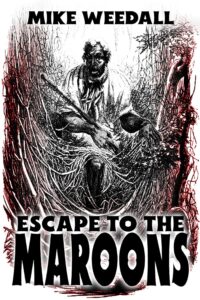 In these days of challenges to Diversity, Equity, and Inclusion Programs, it’s timely to look back in our history to mine lessons that could guide us to a more inclusive future. When I reflect on the struggles of minority populations, and specifically the Black community, in American history there is a period that stands out.
Prior to the end of the Civil War, Southern authorities and newspapers worked diligently to deny the reality of self-liberated slaves creating free, multi-generational, and self-sustaining communities in the South. Those locations were known as Maroons, and existed in any country that allowed slavery, e.g., Brazil, Haiti, and many more in the Caribbean and South America. In the American South, estimates indicate that over fifty Maroons existed at various times, located in areas not easily accessible, such as mountainous or swampy terrain.
The largest Maroon in North America survived in southern Virginia and northern North Carolina–the Great Dismal Swamp. Before modern development and encroachment, that swamp covered an area the size of Rhode Island. Research estimates that over 2,000 individuals lived freely in one of the worst environments. Indigenous people, who populated the Dismal for thousands of years before the first runaways arrived, often worked closely with fleeing slaves to share knowledge and skills needed to survive in the swamp. Whether the runaways chose to live alone or settled into larger communities, these amazing people built cooperative systems and a working economy to support themselves.
The basis for their economy centered on harvesting cedar trees and trading with merchants willing to skirt the law. The most in-demand product was finished timber, such as shingles. Wood products harvested and produced by Maroon residents were typically of higher quality and undersold competing products produced by enslavers. This reality demonstrated how minorities could organize and govern themselves, which threatened the myths that authorities spread to justify slavery. In attempts to suppress knowledge among enslaved people about Maroon successes, Southern governments and newspapers attempted to deny the existence of Maroon communities. Because of the vastness of the Dismal Swamp, Maroon communities deep in the swamp were beyond the threat of force.
Among the current President’s many recent directives, Executive Order 3431 directs the dismantling of historical information and exhibits at federal sites that recognize the courage and accomplishments of people who stood up to slavery. Displays and materials honoring the Maroons at the Great Dismal Swamp Refuge have been ordered for removal and will no longer tell the stories of people who refused bondage to create a better future for their children.
Like the Southern authorities attempted to deny that Maroons existed, I see parallel efforts by the current administration. Eliminating programs that support minorities growing skills and gaining resources to fully contribute to a growing economy limits the potential for a better America. A strong society needs all of its people, no matter how diverse. History shows that Southern governments allowing enslavement created economies not as strong as those in Northern states. Decisions today to handicap minorities through administration policies is the wrong direction for a vibrant United States.
What can those who chose freedom, in spite of mosquito swarms and twenty-one kinds of snakes, tell us today? We need to resist misinformation that claims DEI initiatives have no value. In our local communities, we must strive to fill the void created by the administration’s extreme actions. Initiatives with businesses, local governments, and educational institutions must continue to educate about how a diverse society creates a stronger, more creative America. Just as the Maroon residents and their communities sacrificed for a better world, the voices of history cry out to us to resist, stay innovative, and never give in to messages promoting separation.